Home Projects Adverse Childhood Experiences and Mental Health Outcomes

Projects

Adverse Childhood Experiences and Mental Health Outcomes

Overview

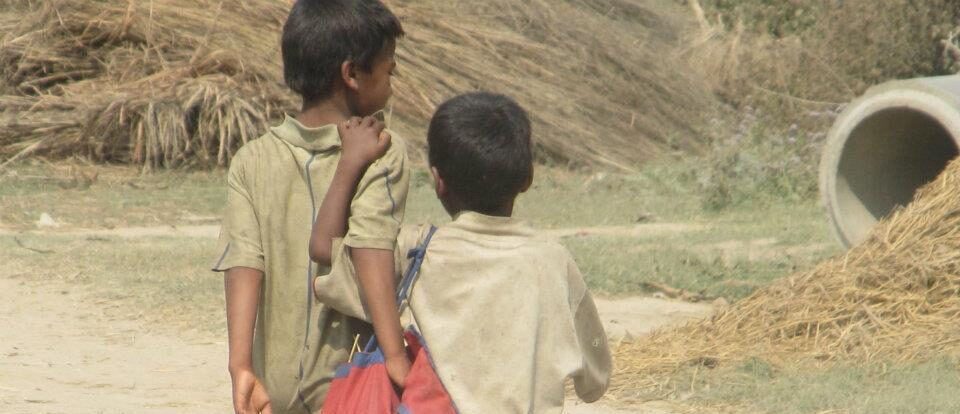
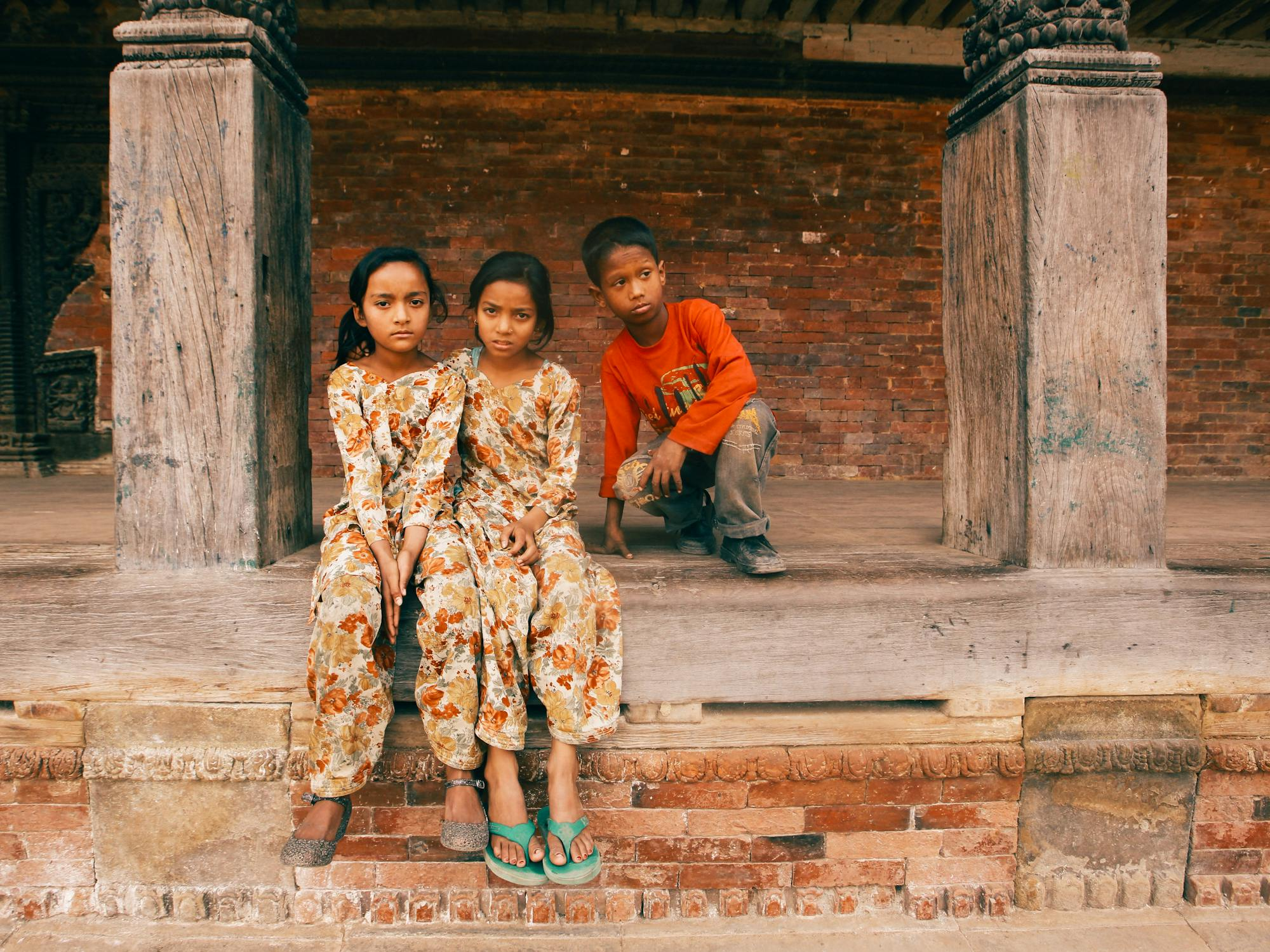
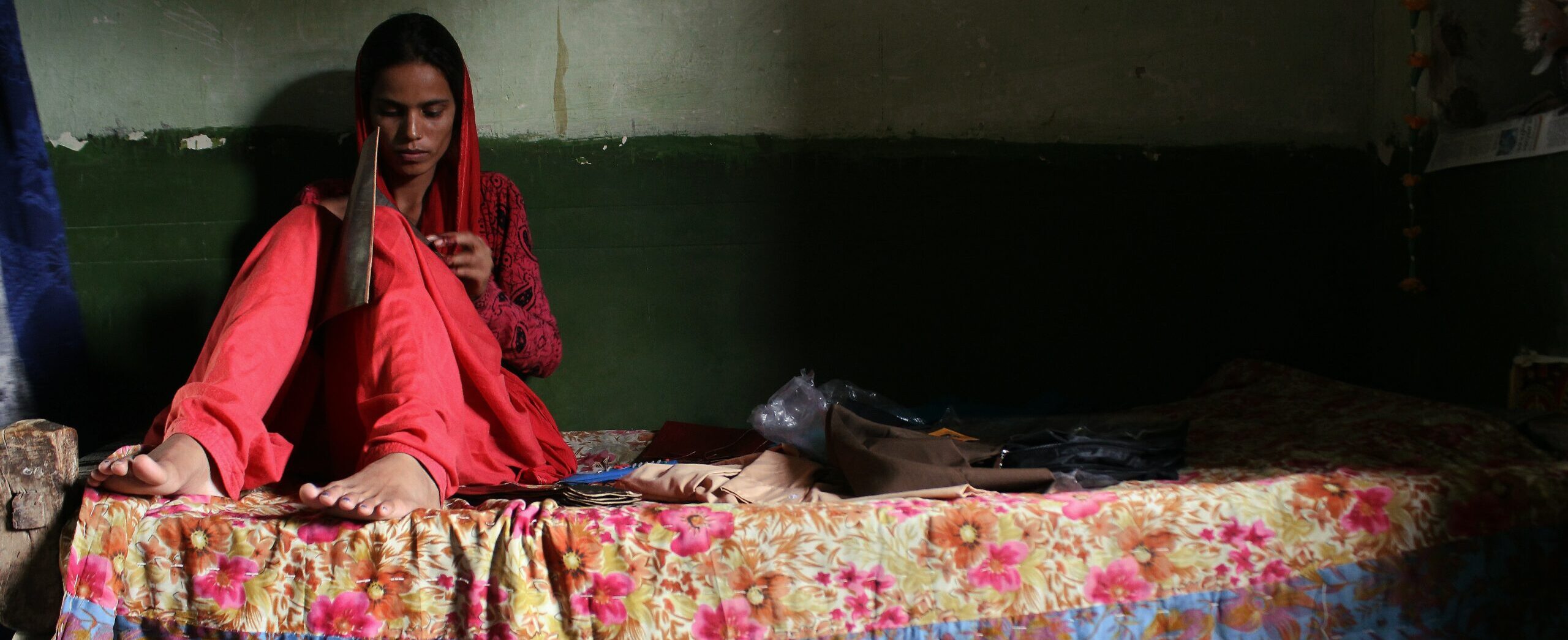
This research explores the long-term mental health impacts of adverse childhood experiences (ACEs) on young populations in rural and urban Nepal. The study investigates how cumulative exposure to adversities—such as household dysfunction, abuse, and neglect—interacts with socio-environmental stressors to influence emotional and behavioural development in adolescents and young adults. 

Objectives

  • Assess the prevalence of ACEs and common mental disorders in the target population.
  • Investigate the interactions between ACE spectrums and their association with specific mental disorders, examining how different types influence the development of mental disorders.
  • Determine the major risk and protective factors associated with ACEs and explore resilience-enabling mechanisms through sub-group analyses.

Study Sites

  • Bagmati, Madhesh and Sudupaschim provinces of Nepal

Partner Institutions



Read Our Other Research Projects

Sex-Trafficking and Reintegration of the Survivors 

Although Nepal ratified the Palermo Protocol in 2020, significant challenges remain in effectively reintegrating survivors of sex trafficking. This study provides an in-depth examination of the barriers and enabling factors that influence the reintegration process for survivors, based on perspectives from service providers and NGOs....

Climatic Disaster Exposure and Mental Disorders

This research aims to understand the mental health consequences of exposure to extreme climate events—such as heatwaves, floods, and landslides—among children and adolescents. The study identifies vulnerable populations, mental health outcomes, and contextual factors that amplify climate-related psychological distress....

Traditional Menstrual Seclusion Practices and Violence Against Women

This study investigates the impact of menstrual exile (chhaupadi) on violence against women through a structural violence lens. It highlights how socio-cultural norms around menstruation reinforce systemic inequities, exacerbating women's vulnerability to various forms of violence, both within households and in broader society....